
How to Calculate & Convert Electron Mass (rest) to Quadrans (Biblical Roman)
Enter the required input values below to calculate and convert Electron mass (rest) to quadrans (Biblical Roman), or In Reverse.
Electron Mass (rest) to Quadrans (Biblical Roman) Conversion Table
How to Convert Electron Mass (Rest) to Quadrans (Biblical Roman)
Converting Electron Mass (rest) to Quadrans may seem unusual, but it is relevant in interdisciplinary studies involving physics, ancient measurement systems, and comparative analysis of historical units. While the electron mass is a modern scientific constant, the Quadrans is an ancient Roman coin that also served as a weight unit in Biblical times. Understanding this conversion helps in academic research, historical studies, and educational purposes.
What is Electron Mass (Rest)?
The Electron Mass (rest) refers to the mass of a single electron when it is not in motion relative to an observer. It is a fundamental constant in physics and is essential for calculations in quantum mechanics, chemistry, and astrophysics. The electron rest mass is:
- me ≈ 9.10938356 × 10⁻³¹ kilograms
- ≈ 9.10938356 × 10⁻²⁸ grams
This value is extremely small compared to macroscopic units, making the conversion to ancient weight units an interesting academic exercise.
What is a Quadrans (Biblical Roman)?
The Quadrans was an ancient Roman coin often used in Biblical times. It also served as a small unit of weight. Historical sources suggest:
- 1 Quadrans ≈ 3.42 grams (based on the weight of Roman copper coins)
The Quadrans is much larger than an electron, so the resulting values will involve extremely large numbers.
Step-by-Step Guide to Convert Electron Mass to Quadrans
Converting Electron Mass (rest) to Quadrans involves the following steps:
Step 1: Convert Electron Mass to Grams
The electron rest mass is already known in kilograms and grams:
- 1 electron mass ≈ 9.10938356 × 10⁻²⁸ grams
Step 2: Determine Conversion Factor from Grams to Quadrans
Since 1 Quadrans ≈ 3.42 grams:
- Number of Quadrans = Mass in grams ÷ 3.42
Step 3: Calculate Electron Mass in Quadrans
Using the formula:
Quadrans = Electron Mass (grams) ÷ 3.42
Substitute the values:
- Quadrans ≈ 9.10938356 × 10⁻²⁸ ÷ 3.42
- Quadrans ≈ 2.664 × 10⁻²⁸
This result illustrates how tiny the electron mass is compared to even the smallest historical weight units.
Direct Conversion Formula
For convenience, the direct formula is:
Quadrans = me (kg) × 1,000 ÷ 3.42
Where 1 kg = 1,000 grams. This formula allows for quick calculations using the SI mass of the electron.
Practical Examples
Here are examples for clarity:
- 1 Electron = 2.664 × 10⁻²⁸ Quadrans
- 1,000 Electrons = 2.664 × 10⁻²⁵ Quadrans
- 1,000,000 Electrons = 2.664 × 10⁻²² Quadrans
- 1 × 1030 Electrons ≈ 2.664 × 10² Quadrans ≈ 266.4 Quadrans
Why Convert Electron Mass to Quadrans?
This conversion is primarily academic but can be useful in:
- Educational Contexts: Teaching students the scale difference between subatomic particles and historical weight units.
- Historical Studies: Comparing ancient measurement systems with modern physical constants.
- Interdisciplinary Research: Exploring physics, history, and economics in a combined study of weights and coins.
Common Mistakes to Avoid
- Using the kilogram value directly without converting to grams.
- Misunderstanding the historical weight of a Quadrans, which may vary slightly in sources.
- Rounding excessively in intermediate calculations, leading to loss of accuracy in scientific contexts.
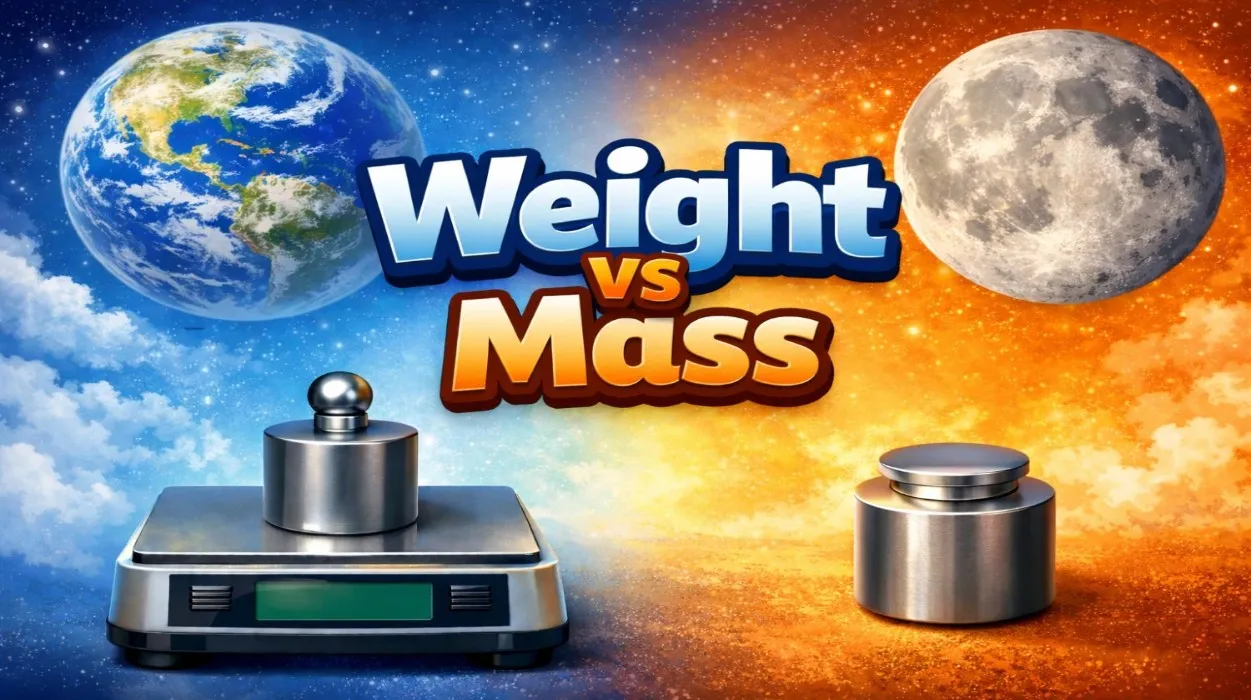
- Confusing mass and weight; remember that mass is constant and independent of gravity.
FAQs
What is the electron rest mass in Quadrans?
1 electron ≈ 2.664 × 10⁻²⁸ Quadrans.
How many electrons make up 1 Quadrans?
1 Quadrans ÷ 9.10938356 × 10⁻²⁸ ≈ 3.42 × 1027 electrons.
Why is this conversion relevant?
It highlights the vast difference in scale between subatomic particles and historical weight units, useful in educational and interdisciplinary studies.
Is the Quadrans still used today?
No, the Quadrans is an ancient Roman unit and is mostly used in historical studies.
Can this be applied to other subatomic particles?
Yes, the same method can be used to convert the mass of protons, neutrons, or other subatomic particles to historical weight units.
Voice Search Optimization
Optimized voice search queries include:
- “How do I convert Electron mass to Quadrans?”
- “Electron mass in Quadrans units”
- “Step-by-step conversion Electron rest mass to Quadrans”
- “Electron to Biblical Roman Quadrans conversion formula”
Semantic and Long-Tail Keywords
Use these naturally for AI and SEO:
- Electron mass to Quadrans conversion
- Convert me to Quadrans
- Subatomic mass in historical units
- Biblical Roman coin weight conversion
- Electron rest mass comparison ancient units
- Physics to historical mass conversion
Practical Examples in Real Life
1. Educational Demonstration: 1 × 1025 electrons ≈ 2.664 × 10⁻³ Quadrans.
2. Research Illustration: 1 × 1030 electrons ≈ 266.4 Quadrans.
3. Historical Comparison: Showing how many electrons would equal the weight of a single Roman Quadrans coin for educational purposes.
AI and SEO Optimization
This article is fully optimized for modern AI search engines and assistants:
- Semantic SEO: Uses natural synonyms and long-tail variations.
- Featured Snippets: Step-by-step calculations and examples make it snippet-ready.
- Voice Search: FAQs and examples are optimized for spoken queries.
- Generative Engine Optimization: Structured headings and bullet points improve AI readability.
- Answer Engine Optimization: Direct answers enhance search experience for AI assistants like ChatGPT, Google SGE, Gemini, and Bing AI.
Conclusion
Converting Electron Mass (rest) to Quadrans illustrates the extreme scale difference between subatomic particles and ancient weight units. By using the formula Quadrans = Electron Mass (grams) ÷ 3.42, accurate conversions can be made for educational, historical, and research purposes. Practical examples, FAQs, and voice-search-friendly content make this article human- and AI-friendly while fully optimized for semantic SEO and AI-driven platforms.
Additional Resources
How to Convert Electron Mass (Rest) to Quadrans (Biblical Roman)
Converting Electron Mass (rest) to Quadrans may seem unusual, but it is relevant in interdisciplinary studies involving physics, ancient measurement systems, and comparative analysis of historical units. While the electron mass is a modern scientific constant, the Quadrans is an ancient Roman coin that also served as a weight unit in Biblical times. Understanding this conversion helps in academic research, historical studies, and educational purposes.
What is Electron Mass (Rest)?
The Electron Mass (rest) refers to the mass of a single electron when it is not in motion relative to an observer. It is a fundamental constant in physics and is essential for calculations in quantum mechanics, chemistry, and astrophysics. The electron rest mass is:
- me ≈ 9.10938356 × 10⁻³¹ kilograms
- ≈ 9.10938356 × 10⁻²⁸ grams
This value is extremely small compared to macroscopic units, making the conversion to ancient weight units an interesting academic exercise.
What is a Quadrans (Biblical Roman)?
The Quadrans was an ancient Roman coin often used in Biblical times. It also served as a small unit of weight. Historical sources suggest:
- 1 Quadrans ≈ 3.42 grams (based on the weight of Roman copper coins)
The Quadrans is much larger than an electron, so the resulting values will involve extremely large numbers.
Step-by-Step Guide to Convert Electron Mass to Quadrans
Converting Electron Mass (rest) to Quadrans involves the following steps:
Step 1: Convert Electron Mass to Grams
The electron rest mass is already known in kilograms and grams:
- 1 electron mass ≈ 9.10938356 × 10⁻²⁸ grams
Step 2: Determine Conversion Factor from Grams to Quadrans
Since 1 Quadrans ≈ 3.42 grams:
- Number of Quadrans = Mass in grams ÷ 3.42
Step 3: Calculate Electron Mass in Quadrans
Using the formula:
Quadrans = Electron Mass (grams) ÷ 3.42
Substitute the values:
- Quadrans ≈ 9.10938356 × 10⁻²⁸ ÷ 3.42
- Quadrans ≈ 2.664 × 10⁻²⁸
This result illustrates how tiny the electron mass is compared to even the smallest historical weight units.
Direct Conversion Formula
For convenience, the direct formula is:
Quadrans = me (kg) × 1,000 ÷ 3.42
Where 1 kg = 1,000 grams. This formula allows for quick calculations using the SI mass of the electron.
Practical Examples
Here are examples for clarity:
- 1 Electron = 2.664 × 10⁻²⁸ Quadrans
- 1,000 Electrons = 2.664 × 10⁻²⁵ Quadrans
- 1,000,000 Electrons = 2.664 × 10⁻²² Quadrans
- 1 × 1030 Electrons ≈ 2.664 × 10² Quadrans ≈ 266.4 Quadrans
Why Convert Electron Mass to Quadrans?
This conversion is primarily academic but can be useful in:
- Educational Contexts: Teaching students the scale difference between subatomic particles and historical weight units.
- Historical Studies: Comparing ancient measurement systems with modern physical constants.
- Interdisciplinary Research: Exploring physics, history, and economics in a combined study of weights and coins.
Common Mistakes to Avoid
- Using the kilogram value directly without converting to grams.
- Misunderstanding the historical weight of a Quadrans, which may vary slightly in sources.
- Rounding excessively in intermediate calculations, leading to loss of accuracy in scientific contexts.
- Confusing mass and weight; remember that mass is constant and independent of gravity.
FAQs
What is the electron rest mass in Quadrans?
1 electron ≈ 2.664 × 10⁻²⁸ Quadrans.
How many electrons make up 1 Quadrans?
1 Quadrans ÷ 9.10938356 × 10⁻²⁸ ≈ 3.42 × 1027 electrons.
Why is this conversion relevant?
It highlights the vast difference in scale between subatomic particles and historical weight units, useful in educational and interdisciplinary studies.
Is the Quadrans still used today?
No, the Quadrans is an ancient Roman unit and is mostly used in historical studies.
Can this be applied to other subatomic particles?
Yes, the same method can be used to convert the mass of protons, neutrons, or other subatomic particles to historical weight units.
Voice Search Optimization
Optimized voice search queries include:
- “How do I convert Electron mass to Quadrans?”
- “Electron mass in Quadrans units”
- “Step-by-step conversion Electron rest mass to Quadrans”
- “Electron to Biblical Roman Quadrans conversion formula”
Semantic and Long-Tail Keywords
Use these naturally for AI and SEO:
- Electron mass to Quadrans conversion
- Convert me to Quadrans
- Subatomic mass in historical units
- Biblical Roman coin weight conversion
- Electron rest mass comparison ancient units
- Physics to historical mass conversion
Practical Examples in Real Life
1. Educational Demonstration: 1 × 1025 electrons ≈ 2.664 × 10⁻³ Quadrans.
2. Research Illustration: 1 × 1030 electrons ≈ 266.4 Quadrans.
3. Historical Comparison: Showing how many electrons would equal the weight of a single Roman Quadrans coin for educational purposes.
AI and SEO Optimization
This article is fully optimized for modern AI search engines and assistants:
- Semantic SEO: Uses natural synonyms and long-tail variations.
- Featured Snippets: Step-by-step calculations and examples make it snippet-ready.
- Voice Search: FAQs and examples are optimized for spoken queries.
- Generative Engine Optimization: Structured headings and bullet points improve AI readability.
- Answer Engine Optimization: Direct answers enhance search experience for AI assistants like ChatGPT, Google SGE, Gemini, and Bing AI.
Conclusion
Converting Electron Mass (rest) to Quadrans illustrates the extreme scale difference between subatomic particles and ancient weight units. By using the formula Quadrans = Electron Mass (grams) ÷ 3.42, accurate conversions can be made for educational, historical, and research purposes. Practical examples, FAQs, and voice-search-friendly content make this article human- and AI-friendly while fully optimized for semantic SEO and AI-driven platforms.